
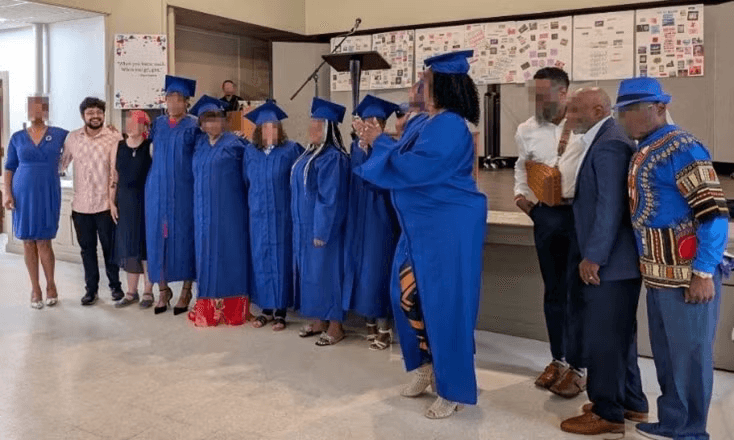
The Socio-Technical Systems in an Interdependent World (STIW) Lab was founded in 2024 by Aakash Gautam at the University of Pittsburgh. The lab studies how technology shapes the relationships between people, organizations, and institutions in an increasingly interconnected world. As digital systems become embedded in public services, education, healthcare, workforce development, and community life, understanding their social consequences has become as important as understanding their technical capabilities. STIW was established to investigate these challenges through research that places people, communities, and institutions at the center of technological change.
Our research examines how technologies influence participation, power, accountability, learning, and care across a wide range of social settings. We are particularly interested in how technologies are introduced into existing systems and how they reshape the ways people coordinate, make decisions, access resources, and navigate everyday life. Rather than treating technology as a standalone solution, we study it as part of larger networks of relationships, organizations, and institutional structures that shape human experience.
The STIW Lab brings together researchers, students, community partners, and public institutions to address complex real-world challenges through interdisciplinary inquiry. Combining participatory design, qualitative research, and system-building, we develop new knowledge about socio-technical systems while creating technologies that respond to the needs of the people and communities they affect. Through this work, we seek to advance both scholarship and practice, contributing to more equitable, accountable, and human-centered approaches to technology design and deployment.
Working together
Prospective students: We're actively seek undergraduate and graduate students interested in participatory design, community-centered technology, or learning environments. If you are at Pitt, let’s talk. If considering graduate studies, reach out before applying.
Collaborators and partners: We welcome conversations with community organizations, public institutions, and researchers working on related questions.